

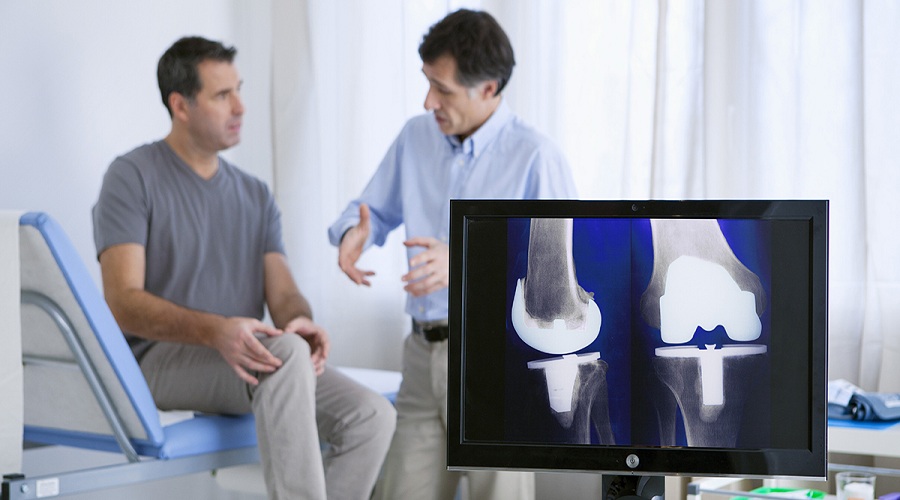
It’s not uncommon to be worried about your appointment with an orthopaedic surgeon but ignoring your pain or injury will only make things worse.
Whether you want to see an orthopaedic specialist yourself or your doctor recommended you see one, here are some tips that will help you through your consultation process.
What You Should Know About Your Orthopaedic Consultation
Find a surgeon who specialises in your problem
While there are many general orthopaedic surgeons, there are also some who have a sub-speciality. Scheduling a consultation with a surgeon who specialises in your particular problem will ensure that you receive very specific and specialised advice and care. With that being said, it should be noted that there are also excellent general orthopaedic surgeons too.
Bring along any notes from your doctor
If you’ve already consulted with a doctor or even another orthopaedic surgeon, bring their notes with to your consultation so that your orthopaedic specialist knows what treatment you have previously received.
Bring along copies of x-rays
An orthopedist in Sydney such as Dr Sunner will want to see any x-rays or MRIs that have been performed prior to your consultation. Ask your primary physician or hospital for copies of your x-rays so that you can bring them with to your consultation. It’s also best to bring along actual images and not just the radiologist’s report.
Be prepared to complete a medical questionnaire
If you’ll be visiting an orthopaedic surgeon for the first time, you will need to complete a medical questionnaire. This information will provide your doctor with an overview of your medical history and any treatment you may have received prior to your consultation. Your doctor will also need to know more about your medical history before prescribing any medication.
Create a timeline of your injury and any treatments
If you started out with pain in one joint that has now slowly progressed to another area, make a note of these details so that you can give your surgeon very specific details. When did your pain or injury first occur and how have you been treating your symptoms to date? Did the symptoms get better or worse and at what date?
Jot down any questions you might have
As with any type of medical consultation, it’s always a good idea to ask as many questions as you need to. Whether it’s about your injury, pain, treatment options or the experience of your orthopaedic surgeon, make sure that you have all the information you need to make an informed decision. It’s also a good idea to find out what you can expect before, during and after your treatment or surgery so that you have a better understanding of processes, side effects, results and recovery. The more prepared you are, the better your experience will be, particularly if you will be having surgery.
Don’t forget to ask about your surgeon’s experience, qualifications and the facility that he/she will be operating out of.
