

Introduction
Yoga is a practice that transcends age, offering benefits to individuals at every stage of life. From the exuberance of youth to the wisdom of old age, yoga adapts and evolves to meet the changing needs of practitioners. Whether you’re a young student seeking balance, a middle-aged professional seeking stress relief, or a senior aiming for vitality, yoga has something to offer. In this article, we’ll explore how yoga can be tailored to different life stages, promoting physical health, mental well-being, and overall harmony.
Yoga for Youth
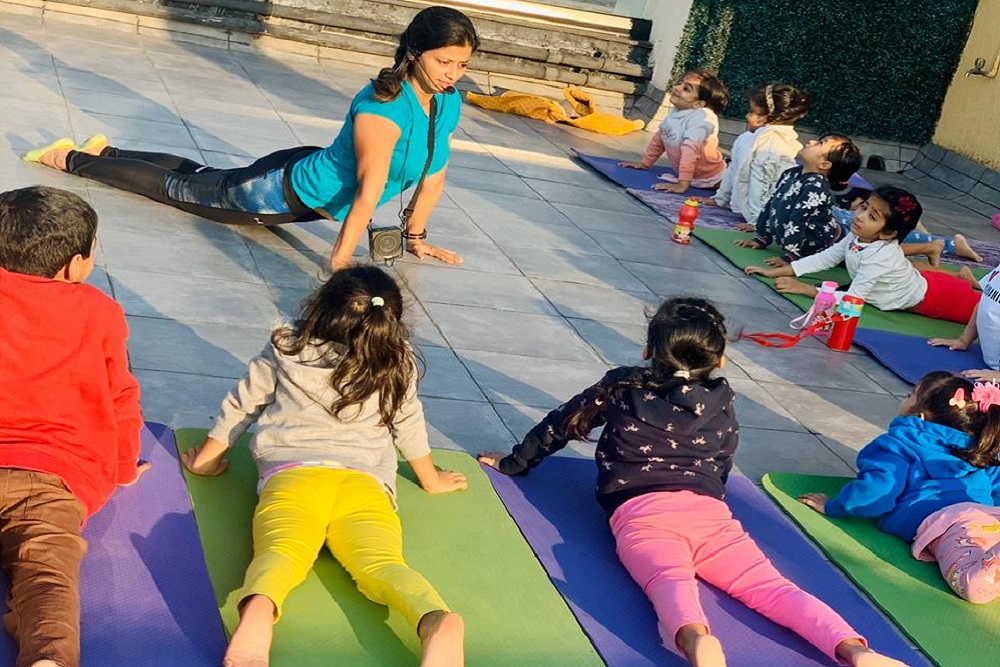
- Physical Development: Yoga supports healthy growth by improving flexibility, strength, and posture during the formative years.
- Stress Relief: Young people experience academic, social, and emotional pressures. Yoga provides tools for managing stress and fostering emotional resilience.
- Body Awareness: Practicing yoga helps youth develop a positive body image and a healthy relationship with their bodies.
- Mindfulness: Yoga teaches young people to stay present, enhancing concentration, focus, and cognitive abilities.
Yoga for Adults
- Stress Management: Adults often deal with work-related stress and life responsibilities. Yoga offers relaxation techniques to alleviate stress and promote mental clarity.
- Physical Fitness: Yoga helps maintain physical fitness by improving flexibility, balance, and muscle strength.
- Preventing Lifestyle Diseases: Regular practice can reduce the risk of lifestyle-related diseases such as hypertension, diabetes, and cardiovascular issues.
- Mind-Body Connection: Yoga enhances the mind-body connection, fostering self-awareness and mindfulness.
Yoga for Pregnancy
- Prenatal Health: Prenatal yoga promotes physical health, reduces discomfort, and helps prepare the body for childbirth.
- Emotional Support: Yoga offers emotional stability and relaxation during the often transformative and emotionally charged period of pregnancy.
- Bonding: Prenatal yoga classes create a supportive community where expecting mothers can connect and share their experiences.
Yoga for Middle Age
- Strengthening Core Muscles: Yoga helps maintain core muscle strength, which is vital for preventing back pain and maintaining posture.
- Flexibility and Joint Health: Middle-aged individuals can improve flexibility, promoting joint health and preventing injuries.
- Mindfulness and Stress Reduction: Yoga provides tools to manage midlife stressors, fostering a sense of calm and mental clarity.
- Holistic Well-Being: Yoga’s holistic approach supports physical, mental, and emotional well-being, promoting a balanced and fulfilling life.
Yoga for Seniors
- Joint Health: Yoga enhances joint mobility and flexibility, reducing the risk of age-related joint issues.
- Balance and Fall Prevention: Yoga improves balance and coordination, crucial for preventing falls in seniors.
- Mindfulness and Cognitive Function: Yoga’s focus on mindfulness supports cognitive function and brain health.
- Social Connection: Senior yoga classes offer a sense of community and support, reducing feelings of isolation.
Conclusion
Yoga is a practice that accompanies individuals through every stage of life, offering a multitude of benefits that cater to specific needs and challenges. From building physical strength and flexibility to nurturing mental well-being and emotional resilience, yoga adapts and evolves to address the unique requirements of youth, adults, pregnant individuals, middle-aged individuals, and seniors. Embracing yoga as a lifelong practice can contribute to enhanced quality of life and holistic well-being across different life stages.
