

It is important to remember that medical offices are completely different from regular commercial environments. Although every workplace requires proper cleaning and maintenance, healthcare facilities come with specific risks that require more attention, knowledge and specialized procedures.
Every single day, medical offices receive patients who may carry viruses, bacteria and other harmful microorganisms. Waiting rooms, examination areas, bathrooms, reception desks and medical equipment are continually exposed to people, meaning regular cleaning may not be enough to maintain a safe environment.
The main idea is to understand that specialized cleaning protocols go beyond making the office look clean. That is why you should learn more about professional cleaning for medical offices in Las Vegas by Busy B Groundskeeper and Floor Care, which will help you throughout the process.
When you decide to implement reliable cleaning procedures, you can reduce potential health risks while ensuring the medical office remains safe and professional for everyone who enters it. In further article, we will talk about the reasons medical offices require specialized cleaning protocols. Let us start from the beginning.
Reduce the Risk of Infection
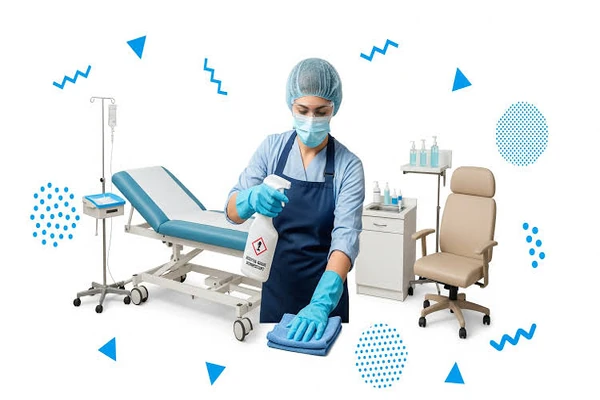
One of the most important reasons medical offices require specialized cleaning is infection prevention. Patients visit healthcare facilities for wide array of reasons, meaning some may have contagious conditions that can spread through respiratory droplets, contaminated surfaces and direct contact.
High-touch areas such as door handles, light switches, chairs, countertops, faucets and reception areas can become contaminated throughout the day. If these surfaces are not properly disinfected, microorganisms may remain and spread from one person to another.
Specialized cleaning protocols focus on both cleaning and disinfection. Cleaning will help you remove dirt and debris from the surface, while proper disinfection can reduce harmful microorganisms. Combining these processes can help you create a safer environment for patients, visitors and healthcare employees.
Medical Offices Have High-Touch Areas
You should remember that medical offices feature numerous surfaces people touch throughout the day. Compared with a traditional office environment, the amount of contact can be significantly higher because patients continually enter and leave examination rooms, waiting areas and reception spaces.
For instance, check-in counters, pens, armrests, elevator buttons, bathroom fixtures and door handles can be touched by hundreds of people depending on the size of the facility. If you wish to learn more about cleaning specialized items, we recommend you to click here for more info.
Specialized cleaning protocols identify these high-touch surfaces and ensure they receive additional attention. Instead of cleaning every area following the same schedule, professional cleaners can focus on locations that come with increased contamination risks.
That way, you can prevent germs from accumulating and reduce the chances of cross-contamination, which is vital to remember.
Protect Vulnerable Patients
Another important consideration is that people who visit medical offices may be more vulnerable to infections than the general population. We are talking about elderly patients, young children, pregnant women and individuals with compromised immune systems or chronic conditions.
For these people, exposure to harmful microorganisms can lead to more serious health complications. A surface that may seem harmless can become a potential risk if it has not been properly disinfected.
That is why medical offices should maintain higher cleaning standards than traditional commercial facilities. Specialized protocols can help you ensure treatment rooms, waiting areas and common spaces are regularly cleaned by using appropriate methods and products.
The process will offer you peace of mind while protecting people who may be more susceptible to infections. Watch this video: https://www.youtube.com/watch?v=stGBRzqJZdw to learn more about the topic.
Prevent Cross-Contamination
Cross-contamination happens when harmful microorganisms move from one surface or area to another. In a medical environment, this can happen through cleaning equipment, hands, medical devices and other objects.
For instance, using the same cleaning cloth in a bathroom and examination room can spread contaminants instead of removing them. The same problem can happen if cleaning tools are not properly disinfected between different areas.
Professional medical cleaning protocols are specifically designed to prevent these situations. Cleaners may use separate equipment for specific zones, follow proper cleaning sequences and replace disposable materials when necessary.
The main idea is to prevent contaminants from moving from higher-risk areas to cleaner environments. It is as simple as that.
Proper Cleaning Products Are Essential
We can all agree that not every cleaning product is suitable for a healthcare environment. Regular household cleaners may remove visible dirt and create a pleasant smell, but they may not provide the level of disinfection medical offices require.
Specialized cleaning protocols involve using appropriate disinfectants based on the surfaces and areas being treated. At the same time, cleaners should understand proper contact times because disinfectants generally require a specific amount of time on a surface to work effectively.
Using too much product or combining incompatible chemicals can also create problems and potentially damage surfaces.
When you decide to hire professionals who understand medical cleaning requirements, you can rest assured because they will use proper products and methods for your specific needs.
