

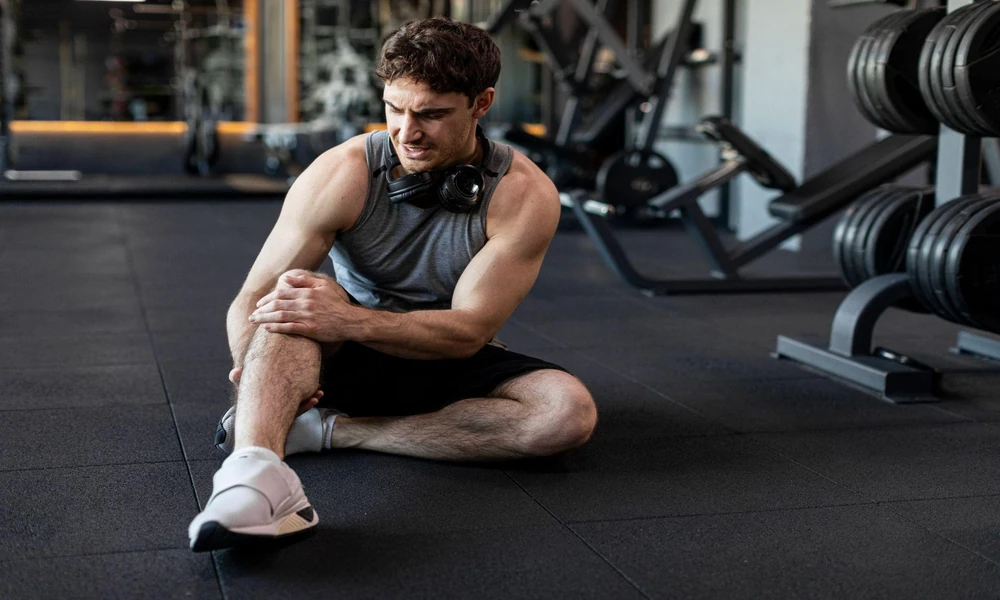
You finished a heavy leg session or completed a long road run, and now your knees are throwing a tantrum. Sounds familiar? Post-exercise discomfort happens to almost everyone, from weekend warriors to seasoned athletes. However, you must learn whether your joints are simply tired or if your body is waving a red flag for a genuine injury, as ignoring structural joint issues can lead to long-term complications. Knowing when to rest and when to seek professional knee pain treatment can help you stay active without damaging your joints.
Soreness or Signal? Unmasking Your Joint Discomfort
Distinguishing between benign exercise fatigue and genuine injury is a critical skill for any athlete. While muscle soreness is a natural byproduct of training, joint-related pain often indicates structural stress that requires attention. Learning to identify these differences early can prevent minor setbacks from becoming chronic issues, allowing you to train smarter and sustain your performance over time.
- Normal exercise fatigue – Delayed-onset muscle soreness (DOMS) affects the surrounding muscles rather than the joint itself. It peaks around 24 to 48 hours post-exercise and gradually vanishes.
- Sharp, localised aches – Pain inside the kneecap or along the joint line usually points to structural issues such as cartilage wear or ligament strain.
- Inability to bear weight – If you struggle to stand or walk, stop immediately. This symptom usually signals severe trauma that demands immediate professional assessment.
- Swelling and heat – Fluid accumulation inside the joint capsule indicates active inflammation, often triggered by overuse or micro-tears.
Red Flags: When to Stop Pushing Through
Pushing through significant knee discomfort is counterproductive and risky. While some level of muscle exertion is expected, persistent or sharp pain signals that your body has reached its limit and requires recovery rather than continued stress. Recognising these specific warning signs early is essential, as ignoring them can lead to acute injuries, prolonged inflammation, and a longer recovery trajectory. Prioritising rest at the first sign of these symptoms is a proactive measure to protect your long-term joint health. Pay close attention if you notice any of the following warning signs:
- Catching or locking – If your knee gets stuck in a bent position, you might have a torn meniscus or loose cartilage fragments within the joint.
- Instability or giving way – A knee that suddenly collapses under your weight often indicates a torn or severely stretched ligament.
- Persistent swelling – Puffiness that lasts longer than two days suggests an ongoing internal issue that body rest alone will not resolve.
- Nighttime throbbing – Discomfort that wakes you up from sleep points to significant inflammation or joint degradation.
Taking Action: Options for Recovery
When self-care fails, effective knee pain treatment restores your confidence and movement quality. Rather than merely masking symptoms with temporary fixes, a professional approach addresses the joint’s underlying mechanics. This is critical because unresolved biomechanical issues can lead to compensatory movements, placing undue stress on other parts of your body such as your hips and lower back. By intervening early with evidence-based strategies, you ensure that minor discomforts do not evolve into chronic limitations that hinder your daily life.
- Targeted physiotherapy – A qualified therapist identifies biomechanical flaws, corrects muscle imbalances, and strengthens your glutes and quads to offload joint pressure.
- Active recovery protocols – Swap high-impact running for low-impact swimming or cycling to maintain cardiovascular fitness while resting your joints.
- Professional guidance – Choosing structured knee pain treatment in Singapore helps you access advanced diagnostic tools and tailored rehab programs suited to your lifestyle.
- Load management – Adjust your training volume, movement mechanics, and rest intervals to prevent recurring stress on vulnerable tissues.
Keeping Your Knees in the Game
Your knees support every stride, squat, and jump you make, acting as the foundation for your physical freedom. Learning to distinguish between routine muscle fatigue and joint trauma is not just about avoiding immediate pain; it is about investing in your long-term mobility and independence. Consistent joint care, proper load management, and strength maintenance contribute to a resilient musculoskeletal system that can withstand the demands of ageing and high-impact activity. Listen to your body, respect red flags, and never hesitate to seek expert advice when your joints demand extra care, as proactive maintenance is always more effective than reactive repair.
Frequently Asked Questions
How long should I wait before seeing a specialist for knee pain?
If your discomfort persists beyond three to four days despite rest, or if you experience sharp pain and swelling, consult a professional immediately.
Can I still exercise with post-workout knee pain?
You should avoid high-impact activities like running or jumping. Switch to gentle movement such as walking or swimming if it causes no discomfort.
Is icing or heating better for exercise-induced knee pain?
Use ice during the first 48 hours to reduce swelling and acute inflammation. Switch to heat afterwards to relax surrounding muscles and promote blood flow.
Ready to bounce back stronger and train without pain? Contact The Movement Laboratory today to get your personalised recovery plan!
