

Balancing career responsibilities with the needs of ageing relatives often necessitates professional home support. However, effective senior care requires specialised skills beyond basic domestic duties. Identifying specific caregiver competencies is essential when hiring a maid for elderly care to ensure that seniors receive the safe, compassionate, and expert medical and physical support necessary for their well-being.
Physical Mobility and Safe Transfer Techniques
Physical frailty represents one of the most common challenges seniors face. Age-related muscle loss, arthritis, and balance issues increase the risk of dangerous household falls. A qualified caregiver must master physical transfer techniques to move seniors safely without causing joint pain or dropping the patient.
- Wheelchair and Bed Transfers – Knowing how to pivot and support a senior moving between a bed, wheelchair, and sofa while protecting their spine.
- Fall Prevention & Monitoring – Identifying slippery floor surfaces, maintaining clear walkways, and supervising gait during bathroom trips.
- Positioning Bedridden Patients – Rotating bedbound seniors every two hours to prevent painful pressure sores and promote healthy circulation.
- Assisting Mobility Devices – Guiding the correct use of walking frames, quad canes, and mobility scooters during outdoor neighbourhood walks.
Working with an experienced home caregiver in Singapore guarantees that your relative moves around the house safely while building physical confidence.
Medical Assistance and Routine Health Monitoring
Managing chronic health conditions requires strict attention to detail. Elderly family members often take multiple prescription medications throughout the day, so mismanaging doses can lead to severe health complications.
- Medication Management – Dispensing correct dosages at designated times according to prescription logs. This prevents missed doses, accidental double-dosing, and dangerous drug interactions.
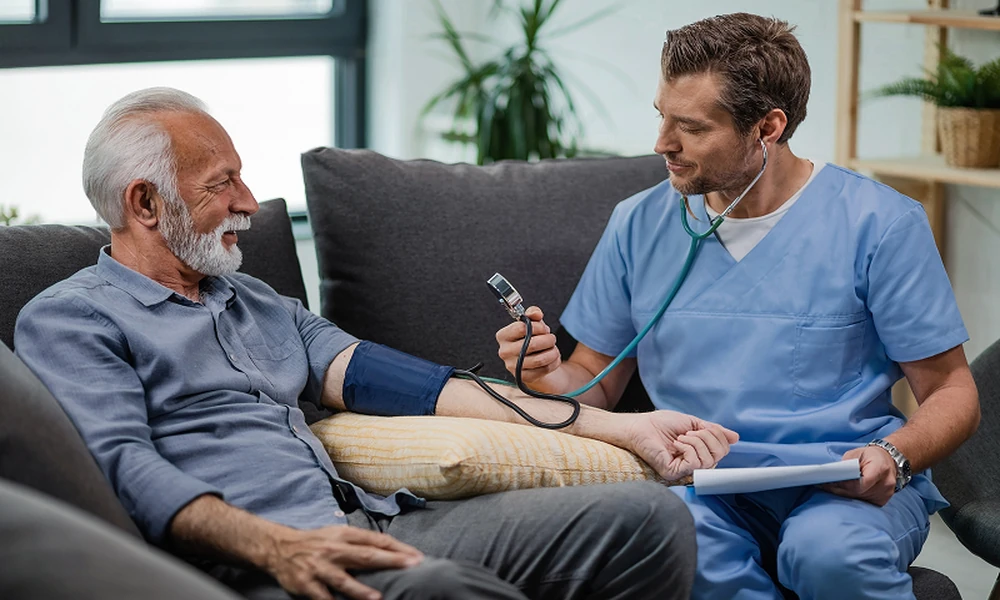
- Vital Signs Tracking – Monitoring blood pressure, blood glucose levels, body temperature, and pulse rates. This detects early warning signs of infection, hypertension, or sudden health declines.
- Hygiene & Wound Care – Assisting with sponge baths, oral care, diaper changes, and clean dressing application. This maintains daily personal dignity while preventing skin breakdown and urinary infections.
- Specialised Feeding – Preparing soft or pureed meals and assisting tube-fed or stroke-recovering seniors. This prevents choking incidents and guarantees proper daily hydration and nutrition intake.
Cognitive Support: Navigating Memory Loss and Dementia Care
Dementia and Alzheimer’s disease alter how a senior interacts with the world. A helper caring for a senior with cognitive decline needs specialised emotional and behavioural management skills.
Patience remains the single most critical quality. When seniors experience confusion, memory lapses, or sudden mood shifts, an untrained person might react with frustration, which escalates anxiety.
A skilled maid for elderly care uses gentle distraction methods, validation techniques, and calm verbal prompts to soothe agitated seniors. Establishing predictable daily routines for meals, exercise, and sleep helps seniors with memory loss feel grounded, secure, and relaxed in their home environment.
Communication and Crisis Management
Clear communication forms the bridge between the helper, the elderly parent, and working family members. Your helper must communicate clearly in a language your parent understands, whether that involves simple English, Mandarin, or local dialects like Hokkien or Cantonese.
Furthermore, a top caregiver stays calm during unexpected health emergencies. They must know how to recognise stroke symptoms, sudden chest pain, or severe fall injuries, administer basic first aid, and contact emergency services and family members immediately.
Sourcing a certified home caregiver in Singapore through a professional agency ensures your helper possesses verified medical training, strong communication habits, and emergency readiness. Investing in verified eldercare skills transforms your home into a safe, supportive haven for your parent.
Investing in Your Loved One’s Future
Selecting the right eldercare helper involves evaluating physical transfer techniques, medical monitoring abilities, dementia care patience, and emergency response skills. By prioritising these essential competencies, you protect your parent’s safety, preserve their daily dignity, and secure true peace of mind for your family. Choose expert eldercare support today.
Frequently Asked Questions
What certifications should we look for in an eldercare helper?
Look for certified training in basic nursing care, first aid, CPR, dementia management, and eldercare mobility transfers from recognised healthcare training institutes.
How do we verify if a caregiver actually possesses the skills listed on their profile?
Work with a reputable agency that conducts practical skill evaluations, verifies previous employment references, and offers video interviews where you can ask specific care scenarios.
Can an eldercare helper handle both household chores and senior care?
Yes, but senior safety must always remain the main priority. If a senior requires constant physical supervision or bedridden care, household chores should remain light to prevent caregiver exhaustion.
Partner with dedicated placement specialists who thoroughly evaluate candidates for physical transfer skills, medical knowledge, and eldercare experience. Contact Top Faith to learn more.
