

Collingwood’s active lifestyle can involve skiing, cycling, hiking, paddling, gardening, and physically demanding work. These activities support health and enjoyment, but sudden increases in training, repetitive movement, or inadequate recovery can contribute to stiffness and discomfort. Osteopathic care may be one component of a balanced approach to maintaining mobility and returning to activity.
An osteopathic assessment looks at how the body manages movement and load. The practitioner may examine the symptomatic area as well as related regions. For example, hip and ankle mobility can influence walking or running mechanics, while movement through the upper back may affect the neck and shoulders during cycling or desk work.
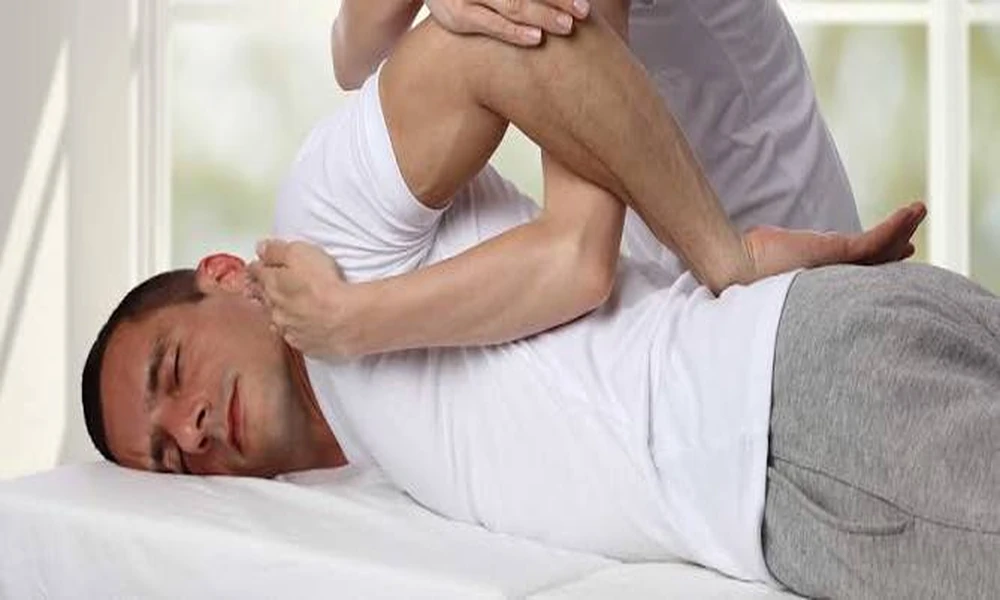
People interested in Osteopathy in Collingwood may seek help after an activity-related strain or because a recurring restriction interferes with recreation. Hands-on treatment can include soft-tissue work, stretching, and joint mobilization chosen according to the assessment. The aim is not to create a quick universal fix, but to support comfortable movement through an individualized plan.
Recovery also depends on what happens between appointments. Training load should increase gradually, particularly after time away from an activity. Alternating demanding and easier days, allowing adequate sleep, and maintaining general strength can improve resilience. A practitioner may recommend simple exercises or movement breaks, but these should be appropriate to the patient’s health and current capacity.
Pain does not always mean serious damage, yet it should not be ignored when it is severe, persistent, or accompanied by concerning symptoms. A careful history helps distinguish a straightforward musculoskeletal complaint from a problem that needs medical investigation. Significant trauma, unexplained illness, rapidly increasing weakness, or neurological changes should be assessed promptly by an appropriate healthcare professional.
Set goals that reflect real life. Rather than focusing only on being pain-free, track whether you can walk a preferred trail, turn comfortably while driving, complete a work shift, or return to a sport with confidence. These functional markers help the practitioner and patient decide whether care is providing value.
Seasonal activities deserve a gradual start. The first ski day, long spring ride, or intensive weekend in the garden can place unfamiliar demand on tissues even when a person is generally fit. Begin with shorter sessions, take breaks before fatigue changes technique, and allow recovery time. Equipment setup also matters: footwear, bicycle position, work surfaces, and load size can affect how the body manages repetition. Osteopathic care can support an active plan, but it cannot substitute for sensible progression. Combining assessment with realistic preparation gives people a better chance of enjoying local activities without turning every ache into a crisis.
The strongest local care relationships are collaborative. Patients bring knowledge of their own bodies and priorities; practitioners contribute assessment, clinical reasoning, and treatment skills. Open communication, informed consent, and regular review keep the plan focused on safe participation in the activities that make life in and around Collingwood enjoyable.
