

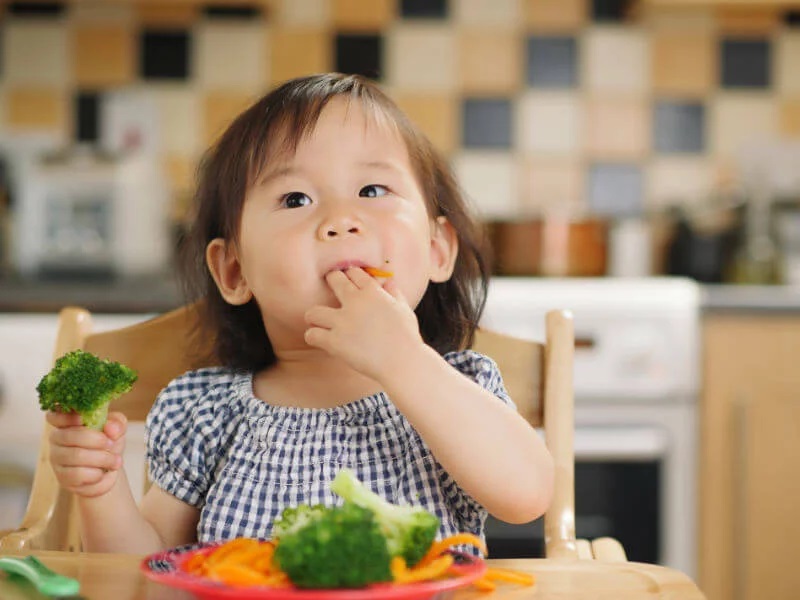
Many parents find getting toddlers to try new foods to be a dreadful undertaking. For a peaceful life, a lot of them are tempted to just give in and feed their little ones the same things over and over again; however, they also know that it’s important for kids to consume a wide variety of healthy foods.
If you’re a parent, it behooves you to understand that toddlers are still developing their taste preferences. This is why they are typically leery of trying new flavors and textures.
It takes time for little kids to learn to like new foods. Of course, this finicky behavior often presents a problem for parents who just want to ensure that their children are eating well.
Timing Food Introduction
On the early side of toddlerhood, you have to be more careful about the foods you introduce, but as they reach their second to third year, most foods are already safe. According to expert feeding guides, some of the foods that require toddlers to have already reached a particular stage of development before being introduced are:
1. Honey
This shouldn’t be given before the first birthday as it may contain botulism-causing bacteria that can prove to be fatal. Honey’s thick, sticky texture could also be considered a choking hazard.
2. Raisins
These could clump together and create a choking hazard. The same warning applies to dried berries and other similarly sized foods with the same tendency to stick together. Recommendation is that these be given at 18 months or older.
3. Harder vegetables
Carrots, bell peppers, and other crunchy vegetables can be served, diced to the sizes of peas at 18 months when children have enough teeth to manage them.
The Ever-Present Choking Risk
Even when they’ve reached two years of age and have become more skilled at eating, you still need to remain watchful as some foods still pose a choking risk. The danger can be managed by preparing these foods in a certain way and by always paying attention while your children eat them.
1. Hard or chewy foods
Hard candy, popcorn, marshmallows, and nuts are best avoided until children are four or older.
2. Round foods
Grapes, cherry tomatoes, and olives should be quartered before serving.
3. Hard-to-chew foods
Meat, celery, and cheese should be cut into small pieces before serving.
The Possibility of Sensitivities
When it comes to high-allergen foods, the general recommendation these days is that they not be withheld if there is no family history of sensitivity. All the same, the fact is that anybody can develop an allergy to any food at any given time, so it’s best to consult your pediatrician and get the go-ahead before introducing these high-allergen foods:
- Dairy (any food made from the milk products of animals)
- Eggs
- Gluten (wheat, barley, and rye)
- Corn
- Nuts (peanuts and tree nuts)
- Soy
- Seeds
- Seafood (fish and shellfish)
Dealing with Pickiness
Toddlers can be quite willful and nothing will magically turn them into subservient creatures that would eat absolutely anything served them. Nonetheless, if you’re prepared to be patient and consistent in applying the following feeding tactics, you can successfully expand the list of foods they eat.
1. Introduce new food with an old favorite.
One, this would make the new food less scary. Second, there would still be something to eat if they refuse to try the new food.
2. Start with a teensy portion.
A big serving of a new food could be overwhelming and intimidating, especially if they’re already leery of it.
3. Show them that you like it.
If you let them see you enjoying it, they might be curious to try it for themselves.
4. Serve it when they’re hungry.
If you know you’re introducing something new at dinner, time their snack so it’s about three hours before the meal, or eliminate it completely.
5. Serve it outside.
Some toddlers tend to be more adventurous with food when they’re having an adventure outside. If they’ve been running around, then their appetite is also bigger.
6. Build up interest in it.
Talk it up. Read a story that mentions it or watch a video that features it.
7. Have fun with the introduction.
You can pretend to be food critics coming up with an apt description or scientists cataloging its features. What is the color, the flavor, the texture, the temperature, et cetera? It makes the first encounter non-threatening and fun.
8. Add flavor to it.
Vegetables are often harder to introduce, but if they were seasoned well or served with fun dips, then they may taste good enough for a toddler. Look for recipes for picky eaters.
9. Offer without pressure.
The more you force something on them, the less they’d be inclined to try it.
10. Keep serving it.
It could take up to 15-20 exposures to the food before toddlers would get used to it and be willing to try it.
Nothing Personal about It
Pickiness at this age is absolutely normal. You’re not alone in wondering why kids would be willing to put dirt or a quarter in their mouth, but not good food. Don’t take it personally; it’s not your failing as a parent. It can definitely be frustrating, so make the above your go-to tips for helping your toddlers branch out from their staples.
