
Cardiac care is advancing rapidly, offering patients more precise diagnostics, less invasive treatments, and personalized care plans that were unimaginable a decade ago. As heart disease remains one of the leading health concerns globally, these innovations are poised to significantly improve early detection, long-term management, and treatment outcomes. Many people are now turning to specialists such as Denver cardiologists to understand how these advancements can support better heart health and enhance their quality of life.
Improved Imaging and Early Detection Tools
One of the most transformative areas in cardiac care is imaging. Newer modalities are making it possible to identify cardiovascular problems earlier and with far greater clarity. Technologies like high-resolution cardiac MRI, advanced CT angiography, and 3D echocardiography can pinpoint plaque buildup, detect subtle structural abnormalities, and assess heart function with remarkable accuracy. These tools help practitioners diagnose issues long before they progress into dangerous conditions. As early detection improves, so does the potential for preventive treatment, allowing patients to avoid complications and maintain healthier lifestyles.
Wearable Devices and Remote Monitoring
Wearable health technology has moved far beyond simple step counters. Today’s cardiac-focused wearables can track heart rhythm, blood pressure trends, oxygen levels, and even detect early signs of arrhythmia. For patients who need regular monitoring, remote devices send real-time data directly to their care team, enabling quicker adjustments to treatment plans. This enhanced connectivity is particularly valuable for individuals managing chronic heart conditions, as it reduces the need for frequent office visits and provides peace of mind. When combined with telehealth consultations, patients can access continuous care without disrupting their daily routines.
AI and Predictive Cardiology
AI is changing the way doctors figure out and treat heart problems. Advanced algorithms can look at a lot of data from patients, find trends that show risk, and even predict heart events before they happen. For instance, AI-driven models can look at imaging tests to find irregularities that people might not see. Predictive analytics are helping doctors avoid problems, tailor medicine schedules, and improve treatment plans for each person. As technology moves forward, AI will probably play an even bigger role in daily heart care.
Minimally Invasive and Robotic Procedures
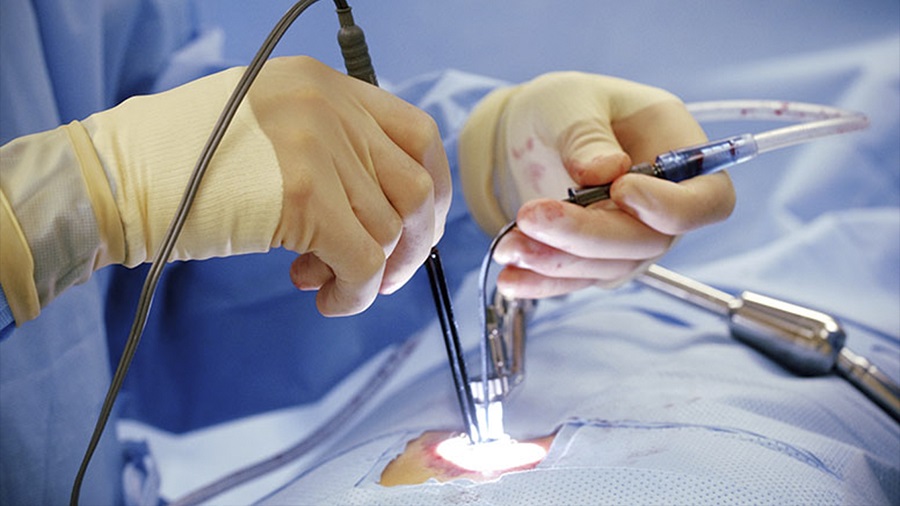
Another promising innovation is the rise of minimally invasive cardiac procedures. Techniques like robotic-assisted heart surgery, transcatheter valve replacement, and catheter-based interventions are reducing the need for open-heart surgery. These procedures result in shorter recovery times, fewer complications, and improved patient comfort. They also make treatment options available to individuals who may not be candidates for traditional surgeries. Surgeons can do more complicated surgeries with better accuracy when they use computers and imaging systems to guide their tools. This helps people with all sorts of heart conditions get better.
Regenerative Medicine and Tissue Engineering
Researchers are exploring ways to repair damaged heart tissue using stem cells, engineered heart patches, and regenerative therapies. These innovations aim to help the heart heal itself by encouraging new cell growth and improving function after events like heart attacks. Although still in development, early results indicate that regenerative medicine may one day reduce the need for transplants and long-term medication. This emerging field offers hope to millions of patients with chronic or advanced cardiovascular disease.
What the Future Means for Patients
The future of cardiac care is more personalized, more connected, and more precise than ever before. Patients can look forward to earlier detection, improved treatment options, and recovery experiences that place comfort and safety at the forefront. As advancements continue, specialists will be better equipped to tailor care to each individual, enhancing both lifespan and quality of life. With the ongoing evolution of these technologies, the next decade promises a new era of heart health, offering patients stronger tools and better outcomes on their path to wellness.