

After you have had a successful kidney transplant, the next important thing that follows is the post-operative care that will help you to resume back to normal life.
In this post-operative period, you need to try and avoid all kinds of infections which can happen because of exposure to other infected individuals. So, you typically need to avoid crowded places and use reverse barrier precautions. A person who has had a transplant and who’s on immunosuppressant medication usually covers his face with a mask.
Also, it is important to make sure that you contact your nephrologist if you face any symptoms of fever or infections. Here is a list of best nephrologists and kidney transplant hospitals.
POST TRANSPLANT NUTRITION
- As you heal from surgery, you may feel tired and not have any desire to eat
- Your body has a greater need for protein and calories during this time.
- Good nutrition will help your surgical wound heal and will also help your body fight infection so when it comes to planning your meals be sure to make good decisions and choose foods that are high in protein, calcium, phosphorus and magnesium. You may be advised to limit intake of foods rich in sodium and potassium.
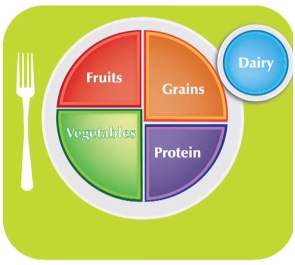
- Foods rich in protein include:
- Fish
- Poultry
- Lean meats
- Cheese
- Low- fat milk
- Eggs
- Dried beans
- Peas
- Nuts
- Tofu and other soya foods
- Foods rich in potassium include:
- Bananas
- Dates
- Dried fruits
- Oranges
- Raisins
- Peas
- Potatoes
- Spinach
- Tomato
- Foods rich in phosphorus include:
- Almonds
- Bran cereals
- Cheese
- Chocolate
- Peanut butter
- Whole grains

- You should increase your water intake, as dehydration can adversely affect your new kidney. In case of a poor appetite, you should eat many small meals in a day. Avoid fatty foods as they may cause acidity. You should avoid raw or undercooked meats, seafood and eggs. Consume fresh fruits and vegetables only after washing them properly.
- Food safety is key in preventing food related illnesses. The drugs used to protect your kidneys lowers your ability to fight germs which makes it easier for you to get sick by consuming foods that may be spoiled or undercooked.
- Always remember to eat wholesome foods and exercise. Doing so, will reduce your risk for weight gain and high blood sugars.
- Weight loss
- Weight loss after surgery is normal because you may not feel like eating.
- You might even lose some of the extra fluid from swelling that you had before surgery
- Weight gain
- Once your appetite returns and you begin eating, you may start to gain unwanted weight
- Eating the recommended foods above will help you control this.
I hope from this article, I have inspired you to learn more about nutrition necessary post-transplant. You may find it challenging at first to make good food choices when it comes to your nutrition.
This article will guide you to make healthy decisions and everything you should do to increase your chances of a long life with your transplant. If you have any more queries regarding the kidney transplant procedure, cost and best hospitals, click here.
