
Close Menu
    Facebook X (Twitter) Instagram
    Trending
    • Plant-Based Vitamin D: The Complete Guide for Vegans and Vegetarians
    • Constipation and Stomach Pain: What’s Causing It and How to Fix It
    • A Complete Guide to Rheumatology Oklahoma Care Options
    • 360 Body Contouring After Weight Loss: What Does It Include?
    • Mental Health Benefits Explained: Should I Go to the Gym for Stress Relief?
    • Emerging Technologies in Cardiac Care: What’s Next for Patients
    • How Mushroom Vape Pens Combine Style With Conscious Wellness Choices
    • How to identify high-quality peptides when you buy online?
    • Contact
    • Meet the Team
    Natural Way Stop Anxiety
    Tuesday, May 19
    • Diet
    • Anxiety
    • Disease
    • Weight Loss
    • Health
    • Hair Care
    • Healthy Food
    • Pain Management
    • Podiatrist
    Natural Way Stop Anxiety
    Home»Health»What is an endoscopy and why would you need one?
    Health

    What is an endoscopy and why would you need one?

    Danny WhiteBy Danny WhiteDecember 22, 2018Updated:January 2, 2019No Comments2 Mins Read
    Facebook Twitter Pinterest LinkedIn Tumblr Email
    Share
    Facebook Twitter LinkedIn Pinterest Email

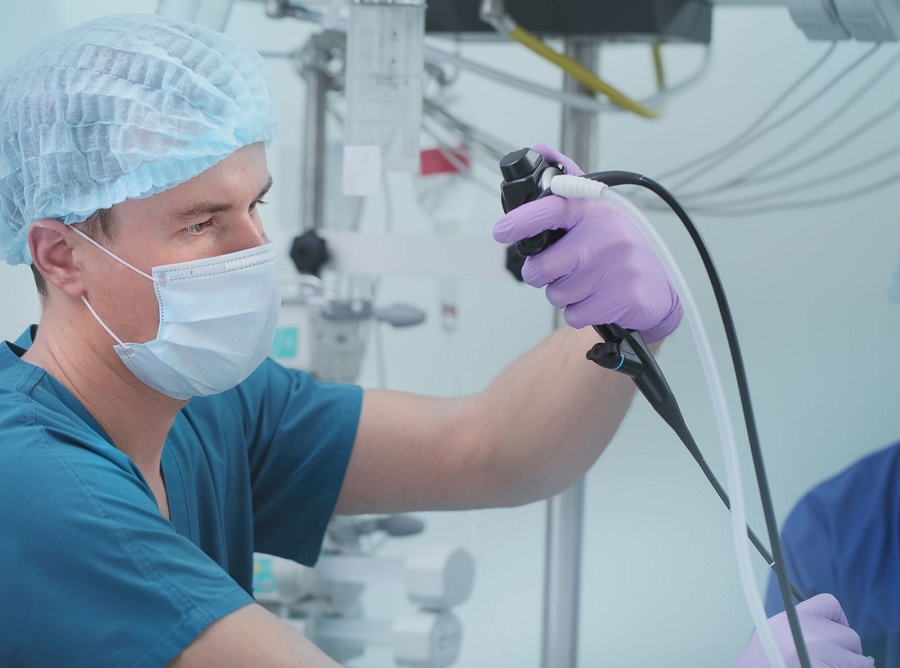
    Endoscopy is a simple medical procedure done to examine the intestinal tract of a person. An endoscopy uses simple tools – a flexible tube with a light and a camera attached to it. The procedure is non-surgical and takes less than 20 minutes. In case of stomach or intestinal related issues such as stomach pain, ulcers, digestive bleeding, and polyps, etc. an endoscopy may be performed by a trained physician.

    What are the types of endoscopies?

    Primarily, there are 3 different types of endoscopic procedures – Upper endoscopy is done in case the key focus area lies in the esophagus, stomach or the upper small intestine. The tube is passed down through the mouth to view these organs through the camera. A colonoscopy, on the other hand, is done in case the colon needs to be examined. In a colonoscopy, the examination tube is passed through the rectum to examine the intestine. Another type of endoscopy is the endoscopic retrograde cholangiopancreatography which is used to examine pancreas and gallbladder.

    Preparing for an endoscopy

    As a patient, one does not need to do much but fast for 6-8 hours before the procedure. Additionally, laxatives may be given to the patient to get rid of any stool in the system. The physician requires certain endoscopy accessories to perform the procedure. A sedative is given to the patient to ease the pain and discomfort of the tube passing through. General anesthesia is given to younger patients and in case of a colonoscopy. Endoscopy is overall a safe procedure but in some cases, may lead to perforation or tearing of gut wall, infection and bleeding which are easily treatable. A trained specialist performing the procedure may reduce the chances of these problems.

    Share. Facebook Twitter Pinterest LinkedIn Tumblr Email
    Danny White

    Related Posts

    Constipation and Stomach Pain: What’s Causing It and How to Fix It

    April 28, 2026

    Plant-Based Vitamin D: The Complete Guide for Vegans and Vegetarians

    April 28, 2026

    A Complete Guide to Rheumatology Oklahoma Care Options

    April 17, 2026

    Comments are closed.

    Editors Picks

    Plant-Based Vitamin D: The Complete Guide for Vegans and Vegetarians

    April 28, 2026

    Constipation and Stomach Pain: What’s Causing It and How to Fix It

    April 28, 2026

    A Complete Guide to Rheumatology Oklahoma Care Options

    April 17, 2026

    360 Body Contouring After Weight Loss: What Does It Include?

    April 1, 2026

    Mental Health Benefits Explained: Should I Go to the Gym for Stress Relief?

    March 23, 2026
    • Contact
    • Meet the Team
    © 2026 naturalwaystopanxiety.com. Designed by naturalwaystopanxiety.com.

    Type above and press Enter to search. Press Esc to cancel.