

Why does onset speed matter?
Onset speed is simply the gap between eating a product and actually feeling something from it, and that gap swings wildly depending on the item. Thirty minutes for one product, close to two hours for another, sometimes with the same body trying both. A recent round of testing from Exhale Well picked five hemp edibles specifically for their slower, more gradual buildup rather than anything fast-acting.
People chasing a slow onset usually want to avoid that abrupt shift where nothing is happening, and then suddenly everything is. Stomach contents change the timeline. So does fat intake beforehand, and so does each person’s own metabolism, which is part of why five testers eating the same gummy can report five slightly different windows.
Gummy formulation tested
First up was a fruit-flavoured gummy built on a full-spectrum extract. Most testers landed somewhere around the ninety-minute mark, with the sensation building slowly across the hour that followed rather than hitting all at once.
Texture held up fine through the batch, and the fruit flavour did a decent job covering the usual plant taste underneath. What stood out more than the flavour, though, was the release pattern. It ran slower than several fast-acting gummies on shelves right now, which fit exactly what this round of testing was built to find.
Chocolate square tested
Fat slows digestion, and chocolate is mostly fat, so this square landing at the slow end of the results wasn’t much of a surprise. Average onset crept toward the two-hour mark, making it the slowest product in the whole lineup.
A few things worth noting from this one.
- The buildup felt smooth rather than sudden, with no sharp turning point testers could pin down.
- Cocoa fat stretched the digestion window out longer than the gummy did.
- Pre-scored sections made portioning simple without needing a knife or guesswork.
- Flavour stayed even from one end of the square to the other.
Beverage option tested
Beverages usually move fast because they’re water-soluble, so this one was the outlier of the group. Despite that formulation, testers still landed around seventy-five minutes on average, which sits closer to moderate than fast.
Carbonation might explain part of it. Fizzy drinks tend to get sipped rather than gulped, and that slower drinking pace translated into a slower, more gradual sensation curve for most people involved.
Capsule product tested
No flavour to think about here, which a handful of testers actually preferred since taste never entered the equation. The average onset ran close to one hundred minutes.
The shell has to break down first before anything gets absorbed, and that single step added a small but consistent delay compared to gummies or drinks. That delay is probably why this product kept coming back with the same word from different testers: steady.
Baked good tested
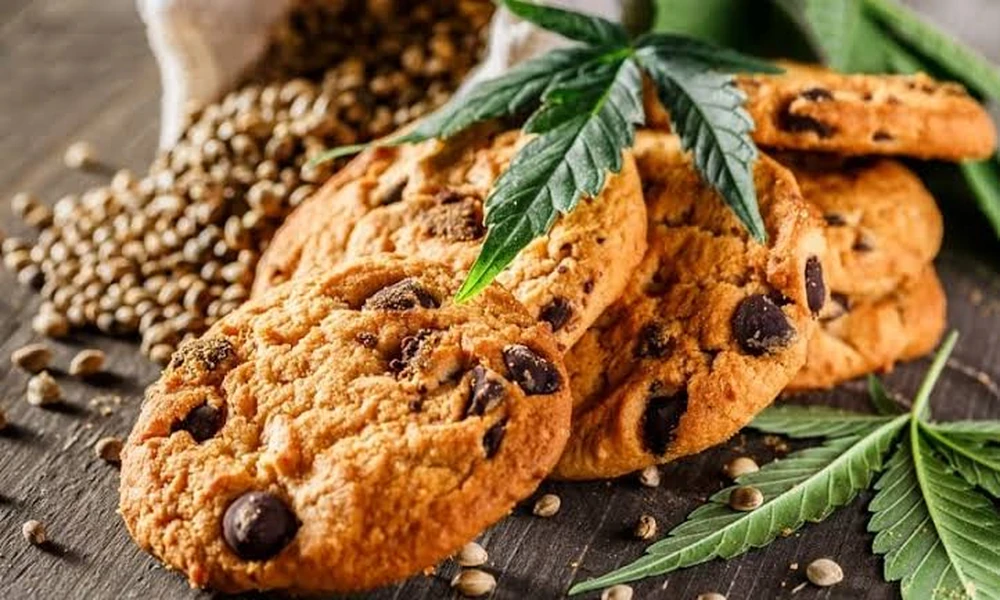
Last on the list was a butter-based baked item, landing around one hundred ten minutes, right in line with the chocolate square. This one read more like a snack than a dosed product, honestly, which changed how people approached portion size compared to everything else tested. Crumb and texture stayed consistent from sample to sample, at least.
Fat content and delivery method were the two clearest predictors across all five products. Gummies and the beverage moved faster, chocolate, capsules, and the baked good moved slower and stayed steadier throughout. Testing everything under the same conditions made those gaps easy to see side by side.
