

Phlebotomy can be defined as the process of draining blood from a body. This field needs specialized skill in the field of medicine. Drawing blood is a common phenomenon, and there are many places where you can visit for phlebotomy: hospitals, independent laboratories, clinics, as well as blood banks, and even technicians could go to a home to drain your blood. It is very vital that anyone doing phlebotomy understand the proper technique to be safe.
Patient Identification
First and very important as a phlebotomist is that you must see to it that your patient is rightly identified. In an intra-hospital environment, identification of a patient is done through identification bracelet as well as orders from the hospital to make sure that this is the right patient because an incorrect identification will make wrong results and wrong diagnosis.
The Provision of Supplies
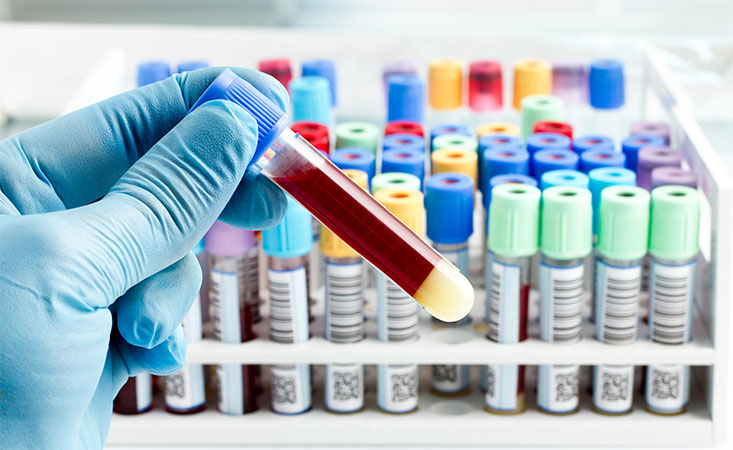
Before starting phlebotomy, you must accommodate the supplies that you need. Things you need includes gloves, needle, tourniquet, tube holder, accurate tubes for tests, alcohol, bandage, and gauze. You must review the doctor’s order to know the tests that are necessary and then place the accurate tubes and make an arrangement in which tubes you will draw them.
Ready to Start
Once the patient is identified and you arranged all your supplies, then you should be ready for phlebotomy. First, you must be certain that the patient is relaxed, whether sitting on the chair or lying on the hospital bed. Make yourself familiar and explain to the patient the reason you are there. Try to communicate well with the patient and know if they are nervous by asking them if phlebotomy was done on them before and what the feeling was like. Encourage them to let you know what their questions are and tell them that if they are uncomfortable in the whole process at any time, they should let you know.
Process
You must put in place all the necessary supplies and wear the gloves before starting. The vein from which you will draw blood from should be identified. You will have to decontaminate the area by using antiseptic or alcohol on the patient’s vein. Let them know that they will feel a little sting when you will pierce the needle through their skin. Quickly, the right tubes that are needed the tests should be drawn. The tourniquet should be loosened and simultaneously place the gauze while withdrawing the needle with a little pressure at the site of the needle. At the site of the needle, keep holding the pressure for a while then use the bandage. Make sure that phlebotomy order of draw is followed rightly.
After
After the procedure is complete, ask the patient to make sure that if they are feeling well. But if they are not feeling well, use ice on the patient and make him stay on the chair or bed till they are better. Make sure to warn them of not doing anything stressful with the arm used for drawing blood for a couple of hours. The phlebotomist must make the process very simple for the patient.
Important Facts
- Do not continue to drawing patient’s blood who tells you he has pain. Phlebotomy is not meant to be painful, and if the patient says so, the possibility is that a nerve has been reached by you.
- The patient should never be told for which test is the blood taken. Tell them only his doctor can tell him about that or any other question.
